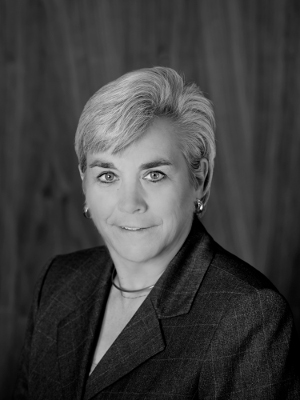
 Judge Deanne L. Darling, Circuit Judge, Clackamas Juvenile Court
Please know that while your trial is going on – it has all my attention- but when it is over- I am off to the next issue. By the time your attorney fee application rolls in – I likely have dealt with as many as 100 other cases and yours is a memory- and maybe a dim one. If you had a theme in your case- you would be well served to remind the judge of it in your application. It would also serve you well to spend some time discussing the issues in the case. If fees are discretionary in the granting (not the amount which is always discretionary) – I suggest you at least discuss it at the end of the case and see if the judge has an indication of the direction he/she will be going. I do not think the trial judge can deny a party the right to file the Rule 68 statement, but you need to discuss with your client the value of incurring the expense to prepare it.
As always, reading the rule is a good place to start. There have been changes in the past few years and more are pending adoption as I type this. This article is not intended to cover everything about the process but rather to remind you of the critical phases. These are pleadings and there are nondiscretionary time lines. If a hearing is desired it must be requested in the heading. It is helpful if an estimate of time is included. Even though the rules implies that only an objector can request a hearing I believe most judges would grant a hearing to anyone who requests it. But if you request it – it is imperative to have a good reason for the hearing.
The facts, statute or rule that provides the basis for attorney fees must be pled. It is also a good idea to check that the ORS citation is still accurate. A failure to state the above cannot be cured once the hearing or trial has commenced. No denial of the right to fees is needed as the rule says the claim is deemed denied.
File (i.e. – DELIVER to the clerk’s office) the original statement with the court with the proper certificate of service within 14 days of the entry of the judgment that forms the basis for the fee request. Submitting a copy of the statement and an original form of judgment to the trial judge is recommended. If objections are filed they need to be specific. If findings are required the request for them must appear in the title of the statement (on the right hand side in caps or bolded is a good idea) or the court is not obligated to make them. Declarations are a good idea and wonderful place to do more than just restate the factors- as evidence of the factors is needed. If you have requested findings- submit them to the court. Judges do not have to create them- we just have to find them. If they are submitted it will speed the process- and the judge can accept whichever ones apply to the evidence presented.
When submitting your claim for fees – be sure to be specific about the time spent on each claim if there is more than one. This is especially important if no right to fees exists on some of the claims. Do not be greedy or overstate the time spent. If you had a fee agreement – attach a copy so there is no question about the hourly rates. Odds are very good that the judge or the clerk will actually go thru your statement and review the time spent and the tasks performed.
If the right to fees allow for fees incurred in collecting a judgment- the proper method is not to seek a prospective award- but rather to submit a supplemental statement. Changes are pending on this issue and a review of the proposed rule (which could be in effect by July 1, 2015) is recommended.
When handling a personal injury case with low economic damages – like under 15 or 20K- think about not collecting the medicals- or be realistic about the unpaid ones- and omit the insurance paid sums- and using ORS 20.080. In settlement conferences insurance companies worry more about attorney fees on a small dollar case than they do verdicts on the small cases. Everyone is aware of the high cost of experts (doctors) and the economics of trying a case. It can be a great settlement technique.